The Rise of Smart Homes: How Technology is Changing Our Living Spaces
1. Introduction
In today’s world, technology is rapidly transforming the way we live, and nowhere is this more apparent than in our homes. Smart homes, once considered a futuristic concept, are now becoming increasingly commonplace. With the rise of smart technology, homes are becoming more connected, intelligent, and responsive to our needs. This article explores the evolution of smart homes and how technology is shaping the future of our living spaces.
What is a Smart Home?
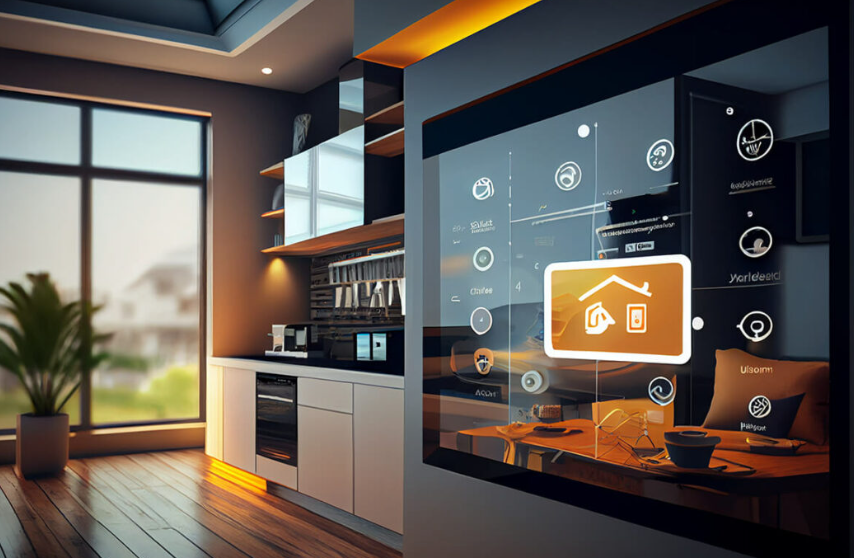
A smart home is a residence equipped with internet-connected devices that can be controlled and monitored remotely. These devices work together to enhance comfort, convenience, security, and energy efficiency. Smart homes typically feature systems like lighting, heating, security, and appliances that can be automated and controlled via smartphones, voice assistants, or even sensors.
Why Smart Homes Are Gaining Popularity
As technology advances, the demand for more efficient, user-friendly living environments has grown. The rise of the Internet of Things (IoT), artificial intelligence (AI), and cloud computing has made it easier to integrate smart technologies into homes. Homeowners are drawn to the convenience, cost-saving potential, and enhanced security that smart homes offer.
See also: The Role of Big Data in Shaping Business Decisions
2. The Evolution of Smart Homes
The Early Days of Smart Home Technology
The concept of the smart home dates back to the late 20th century, but it wasn’t until the 2000s that significant advancements began to take place. Early smart home devices were often limited in functionality, relying on remote controls or wired connections. However, as the internet and wireless technology evolved, the possibilities for home automation expanded dramatically.
Key Milestones in Smart Home Development
These milestones mark the gradual integration of more advanced technology into homes, paving the way for the sophisticated smart homes we see today.
3. How Smart Homes Work
The Role of IoT (Internet of Things)
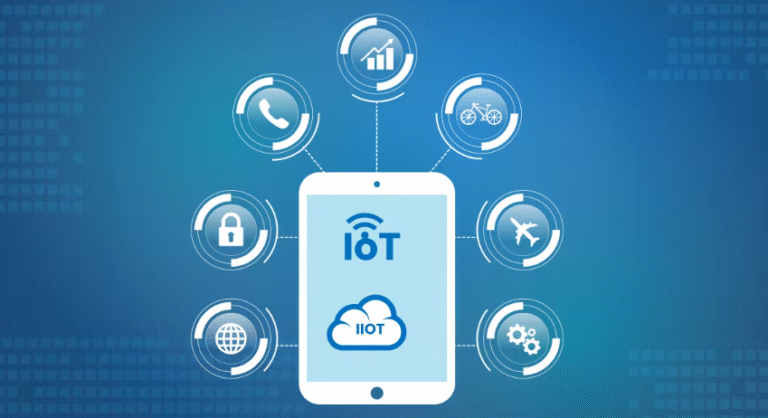
At the core of smart homes is the Internet of Things (IoT), a network of interconnected devices that communicate with each other via the internet. These devices collect and share data, allowing them to work together seamlessly to automate tasks and make real-time decisions. For example, a smart thermostat can adjust the temperature in a room based on the presence of people or the weather forecast.
Devices and Sensors That Make Smart Homes Possible
A variety of devices and sensors work together to create the smart home experience. Some common examples include:
These devices form the backbone of a smart home, each playing a specific role in creating a connected, responsive environment.
4. Smart Homes and Convenience
Voice Assistants and AI Integration
Voice assistants like Amazon Alexa, Google Assistant, and Apple Siri have become the go-to tools for controlling smart homes. With voice commands, users can control lights, lock doors, adjust the thermostat, and much more. The integration of AI allows these systems to learn from user behavior, offering a more personalized experience over time.
Automated Tasks and Schedules
One of the main attractions of a smart home is the ability to automate everyday tasks. For example, you can set your lights to turn on automatically at sunset, or program your coffee maker to start brewing in the morning. These time-saving features allow homeowners to spend less time managing their homes and more time enjoying them.
5. Enhancing Security with Smart Technology
Smart Security Cameras and Systems
Security is one of the primary concerns for homeowners, and smart technology is revolutionizing this area. Smart cameras like Ring and Arlo allow users to monitor their homes in real-time from anywhere. These systems offer features like motion detection, facial recognition, and two-way audio, providing peace of mind to homeowners.
Real-Time Alerts and Remote Access
Smart home security systems can send real-time alerts to your phone, notifying you of any unusual activity. Additionally, many smart systems allow you to remotely control locks, cameras, and alarms, ensuring that your home remains secure even when you’re not there.
6. Smart Homes and Energy Efficiency
Energy Management through Smart Thermostats
Smart thermostats play a significant role in making homes more energy-efficient. These devices learn your temperature preferences and adjust the heating or cooling system accordingly, ensuring optimal comfort while minimizing energy waste. They can also be controlled remotely, allowing you to adjust the temperature from your phone while you’re away.
Smart Lighting and Appliances
Smart lighting systems can be programmed to turn off automatically when not in use, reducing electricity consumption. Similarly, smart appliances like refrigerators, dishwashers, and washing machines can be optimized for energy efficiency, helping homeowners save on utility bills.
7. Health and Well-being in Smart Homes
Air Quality and Climate Control
Smart homes are also enhancing the well-being of their occupants by offering features that improve air quality and overall comfort. Smart air purifiers, humidifiers, and dehumidifiers can monitor air quality and adjust their operation based on environmental conditions. Additionally, integrated climate control systems ensure that your home maintains a comfortable temperature year-round.
Fitness and Wellness Monitoring
With the rise of health-conscious living, many smart homes are now equipped with devices that help monitor fitness and wellness. Smart mirrors, for example, can display workout routines, while smart scales track weight, body fat percentage, and other health metrics. These devices provide valuable insights into your health, motivating you to stay fit and healthy.
8. Smart Homes and Accessibility
Tech for the Elderly and Disabled
Smart homes are increasingly being designed to cater to the needs of the elderly and disabled. Voice-controlled systems and automated devices can help those with mobility or cognitive impairments live more independently. For example, smart home technology can turn lights on and off, adjust the temperature, or control appliances without requiring physical interaction.
Voice-Controlled and Automated Systems
For people with physical disabilities, voice-controlled assistants can play a pivotal role in managing everyday tasks. Automated systems can make life easier by enabling users to control various functions of their home simply by speaking, reducing the need for manual effort.
9. The Future of Smart Homes
Artificial Intelligence and Home Automation
The future of smart homes lies in deeper integration with AI, which will enable even more sophisticated automation. AI-powered systems will anticipate needs, predict behavior, and make decisions without user intervention. For example, an AI system could adjust your home’s lighting, temperature, and entertainment system based on the time of day and your preferences.
Emerging Technologies in Smart Homes
As technology continues to evolve, new innovations are expected to play a role in transforming smart homes. Technologies such as 5G, blockchain, and advanced sensors will make smart homes even more efficient, secure, and interconnected in the future.
10. Challenges and Concerns
Privacy and Data Security
While smart homes offer many benefits, they also raise concerns about privacy and data security. The vast amount of data collected by smart devices could potentially be accessed or hacked, exposing personal information. Homeowners must take steps to ensure that their smart systems are secure by using strong passwords and regularly updating software.
High Initial Costs and Compatibility Issues
The initial cost of setting up a smart home can be high, especially when purchasing high-end devices and systems. Additionally, some devices may not be compatible with others, leading to challenges in creating a fully integrated smart home. However, as technology advances, prices are expected to decrease, and compatibility issues will become less of a concern.
11. Conclusion
Smart homes are not just a passing trend—they represent a fundamental shift in how we live. From enhanced convenience and security to greater energy efficiency and improved quality of life, the rise of smart homes is changing the way we interact with our living spaces. While there are still challenges to overcome, the future of smart homes looks bright, offering homeowners even more ways to enhance their living experience.
FAQs
1. What devices are essential for a smart home?
Essential devices include a smart thermostat, smart lighting, smart security cameras, and voice assistants. These form the core of most smart homes.
2. Are smart homes energy-efficient?
Yes, smart homes are designed to be more energy-efficient, with smart thermostats, lighting, and appliances that optimize energy use and reduce waste.
3. Can I control my smart home remotely?
Yes, most smart home systems can be controlled remotely via smartphone apps, allowing you to adjust settings and monitor your home from anywhere.
4. How secure are smart home systems?
Smart home systems can be secure if proper precautions are taken, such as using strong passwords, enabling two-factor authentication, and keeping software up to date.
5. Do smart homes require a high level of technical knowledge to set up?
Not necessarily. Many smart home devices are designed to be user-friendly and can be set up with minimal technical knowledge. Some systems also offer professional installation services.
6. What is the future of smart homes?
The future of smart homes involves deeper integration with AI, better automation, and advancements in technologies like 5G and blockchain, making smart homes even more efficient and secure.