Exploring the Internet of Things (IoT) and Its Applications
The Internet of Things (IoT) is one of the most transformative technologies of the 21st century. With the potential to change how we interact with the world, IoT is revolutionizing industries, cities, and even our homes. In this article, we will explore what IoT is, how it works, and the various ways it is being applied across sectors. Whether you are a tech enthusiast, business owner, or simply curious about how IoT will shape our future, this guide will provide valuable insights into this exciting technology.
What is the Internet of Things (IoT)?
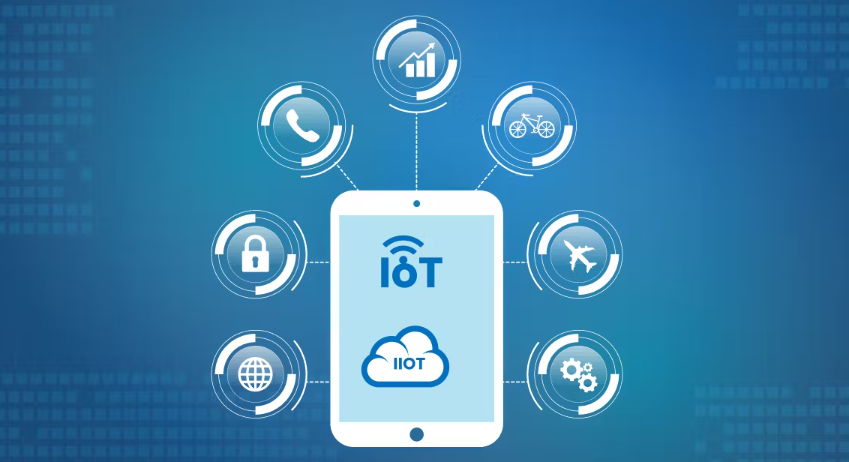
At its core, the Internet of Things refers to the network of physical devices, vehicles, appliances, and other objects embedded with sensors, software, and connectivity capabilities. These devices communicate with each other and with central systems through the internet, enabling them to share data and automate processes. This interconnected ecosystem allows for real-time monitoring, data analysis, and intelligent decision-making.
How Does IoT Work?
IoT works by connecting devices to the internet, which allows them to send and receive data. Here’s a simple breakdown of how it operates:
- Devices and Sensors: IoT devices come with sensors that collect data from the environment or the device itself. This data could be anything from temperature, humidity, or motion to usage patterns.
- Connectivity: The data collected by these sensors is transmitted via the internet, usually through Wi-Fi, Bluetooth, or cellular networks.
- Data Processing: Once the data reaches a cloud-based platform or central server, it’s analyzed and processed to derive insights or trigger actions.
- Action/Automation: Based on the analysis, the IoT system can initiate an action. This could range from turning on a light, adjusting a thermostat, or sending an alert.
See also: blogangle
The Evolution of IoT: From Concept to Reality
The concept of IoT has existed for decades, but it was only in the last 15-20 years that it gained real traction. The rapid advancements in wireless connectivity, cloud computing, and sensor technologies have paved the way for IoT’s widespread adoption. Early applications were limited to simple devices like smart thermostats or wearables, but now, entire cities, industries, and even homes are becoming IoT-enabled.
The Role of 5G in IoT
The arrival of 5G networks is expected to accelerate IoT’s growth significantly. With faster speeds, lower latency, and increased bandwidth, 5G provides the perfect infrastructure for supporting billions of connected devices. This next-generation network is key to unlocking more advanced IoT applications, including real-time communication in autonomous vehicles and smart cities.
Key Applications of IoT
IoT has vast and varied applications across different industries. Below are some of the key sectors benefiting from IoT technology:
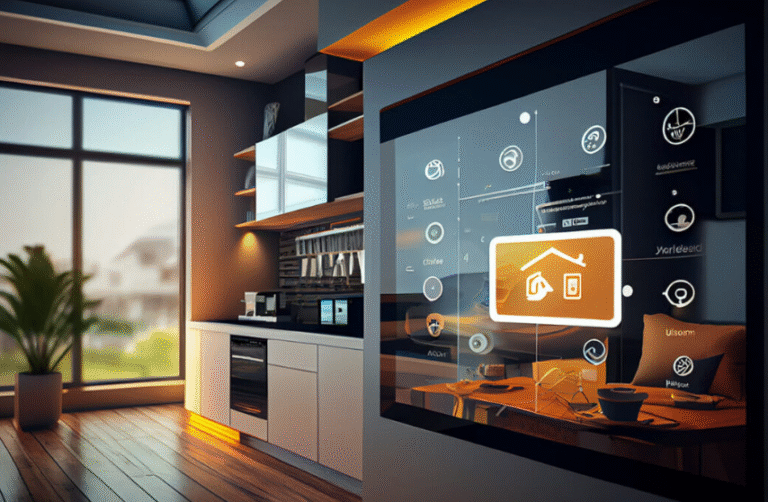
1. Smart Homes
One of the most well-known IoT applications is in smart homes. Through IoT-enabled devices like smart thermostats, lighting systems, and security cameras, homeowners can control their environment remotely. Smart home systems not only enhance comfort but also contribute to energy efficiency and safety.
- Smart Thermostats: These devices learn your heating and cooling preferences and adjust temperatures automatically, resulting in lower energy bills.
- Smart Lighting: Lights that can be controlled through apps, voice commands, or sensors, saving energy and improving convenience.
- Home Security: Smart cameras, motion sensors, and alarms that send real-time alerts to homeowners, enhancing security.
2. Healthcare
IoT in healthcare, also referred to as the Internet of Medical Things (IoMT), is transforming patient care and monitoring. IoT-enabled devices allow doctors to monitor patients’ health in real-time, improving the quality of care.
- Wearables: Devices like smartwatches can track vital signs, such as heart rate, blood pressure, and oxygen levels.
- Remote Monitoring: IoT devices allow healthcare professionals to remotely monitor patients, reducing hospital visits and improving accessibility.
- Smart Pills: These ingestible sensors can track medication adherence and provide data on how a patient’s body is responding to treatment.
3. Smart Cities
IoT technology is integral to the development of smart cities. By leveraging interconnected systems, urban areas can enhance efficiency, reduce waste, and improve the quality of life for residents.
- Traffic Management: IoT can optimize traffic flow, reduce congestion, and provide real-time updates to commuters.
- Waste Management: IoT sensors in waste bins can monitor levels and optimize collection routes, making waste management more efficient.
- Public Safety: Smart surveillance cameras and sensors in public spaces can enhance security by providing real-time monitoring.
4. Agriculture
IoT is playing a significant role in transforming agriculture through precision farming. By using sensors and data analytics, farmers can optimize crop yields, reduce water usage, and improve the overall efficiency of their operations.
- Soil Sensors: IoT sensors in the soil can provide real-time data on moisture levels, helping farmers water crops more effectively.
- Drones: Drones equipped with IoT sensors can monitor crop health, identify pests, and optimize pesticide use.
5. Industrial IoT (IIoT)
In industrial settings, IoT is known as the Industrial Internet of Things (IIoT). It involves the integration of IoT devices into manufacturing processes to improve efficiency, safety, and productivity.
- Predictive Maintenance: IoT sensors in machinery can detect wear and tear, predicting when maintenance is needed before a failure occurs.
- Asset Tracking: IoT can help track the location and condition of equipment, tools, and inventory in real-time.
- Supply Chain Optimization: Sensors can provide data on stock levels, shipment conditions, and logistics, ensuring a more efficient and responsive supply chain.
Benefits of IoT
The implementation of IoT offers numerous benefits, not just to industries, but also to individuals and society as a whole:
1. Increased Efficiency
IoT enables automation, reducing the need for manual intervention. This results in greater operational efficiency, reduced human error, and cost savings.
2. Real-Time Insights
With real-time data collection and analysis, IoT systems provide actionable insights that can help businesses make informed decisions quickly.
3. Better Resource Management
IoT optimizes the use of resources such as energy, water, and raw materials, contributing to sustainability and cost reduction.
4. Enhanced Security
IoT enhances security by providing real-time monitoring and alerts for any unusual activity or potential threats.
5. Improved Quality of Life
IoT applications in smart homes, healthcare, and transportation contribute to a more comfortable, healthier, and safer living environment.
Challenges in IoT Implementation
While IoT holds tremendous potential, its implementation is not without challenges. Here are some of the common hurdles businesses and individuals face:
1. Data Privacy and Security
As IoT devices collect vast amounts of data, there are concerns about privacy and data security. Safeguarding this information is crucial to maintaining user trust.
2. Interoperability
IoT devices often come from different manufacturers and may use different communication protocols. Ensuring that these devices work seamlessly together can be a complex task.
3. Cost
Implementing IoT solutions can require significant upfront investment, especially for businesses. However, the long-term savings and efficiencies often justify the initial cost.
4. Infrastructure
A robust and reliable infrastructure is necessary to support the constant flow of data between IoT devices. Upgrading existing networks to accommodate these devices can be costly and time-consuming.
The Future of IoT: What Lies Ahead?
As technology continues to evolve, the potential applications of IoT are limitless. Here’s what we can expect in the future:
- More Intelligent Devices: As AI and machine learning integrate with IoT, devices will become even more autonomous, making decisions without human input.
- IoT in Transportation: We can expect to see more autonomous vehicles, connected traffic systems, and smart logistics solutions.
- IoT in Healthcare: With more advanced sensors and AI-driven insights, healthcare will become more personalized and proactive.
Frequently Asked Questions (FAQs)
1. What are the main benefits of IoT?
The main benefits of IoT include increased efficiency, real-time insights, better resource management, enhanced security, and improved quality of life.
2. What industries benefit from IoT?
IoT is transforming industries like healthcare, agriculture, smart cities, manufacturing, and logistics, with applications ranging from remote monitoring to predictive maintenance.
3. What is the difference between IoT and IIoT?
While IoT refers to everyday devices connected to the internet, Industrial IoT (IIoT) specifically deals with the integration of IoT in industrial settings, such as factories and manufacturing plants.
4. How does IoT improve healthcare?
IoT improves healthcare through wearable devices, remote monitoring, and real-time data analysis, enhancing patient care and reducing hospital visits.
5. What challenges does IoT face?
IoT faces challenges such as data privacy concerns, interoperability issues, high costs, and the need for robust infrastructure.
6. How secure are IoT devices?
IoT security can be a concern, as these devices are connected to the internet and collect vast amounts of data. It is important to use secure devices and implement proper security protocols to protect data.
Conclusion
The Internet of Things is revolutionizing the way we live and work, providing countless opportunities for innovation and efficiency. From smart homes to healthcare and agriculture, IoT is reshaping industries and improving the quality of life for individuals around the world. While there are challenges to overcome, the potential benefits of IoT make it a key technology for the future. As we continue to explore its applications, we can only imagine the new possibilities that IoT will unlock in the years to come.