
How Cybersecurity is Evolving to Protect Against Emerging Threats
Introduction: The Changing Landscape of Cybersecurity
In recent years, the digital world has become more interconnected, and while this offers immense opportunities, it also opens the door to increasingly sophisticated cyber threats. From data breaches to ransomware attacks, cybercriminals have evolved their tactics, forcing cybersecurity measures to evolve in response. This article explores how cybersecurity is evolving to protect against emerging threats, detailing the latest advancements in technology, strategies, and methodologies that are keeping us safe in an ever-changing digital landscape.
The Emergence of New Cyber Threats
Ransomware: A Growing Concern
Ransomware attacks have become a prominent form of cybercrime in the last decade. These attacks involve malware that locks or encrypts data, with hackers demanding a ransom in exchange for access. Due to the high profitability of such schemes, ransomware is continuously evolving. Cybersecurity systems now need to defend against increasingly complex ransomware attacks that often target critical industries like healthcare, government, and finance.
AI and Machine Learning-Driven Attacks
As artificial intelligence (AI) and machine learning (ML) technologies advance, cybercriminals are leveraging these tools to create more targeted and sophisticated attacks. These technologies enable hackers to automate tasks such as phishing attacks and vulnerability scanning, making it harder for traditional cybersecurity systems to identify threats.
See also: Exploring the Internet of Things (IoT) and Its Applications
IoT Vulnerabilities
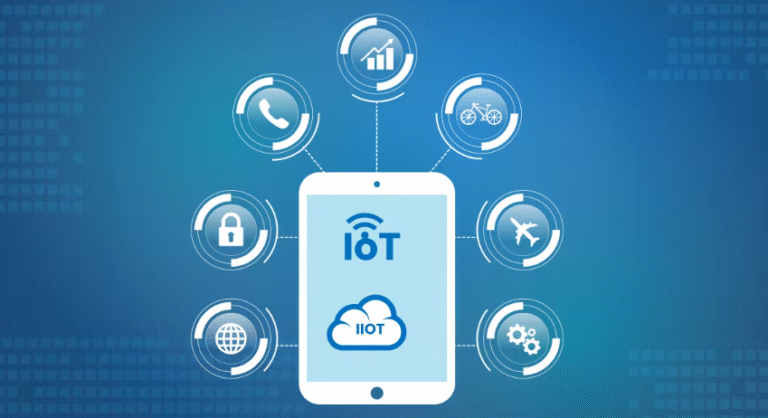
The Internet of Things (IoT) has revolutionized how we live and work, but it has also created a vast number of entry points for cybercriminals. Devices like smart thermostats, security cameras, and wearable technology collect vast amounts of personal data. Poor security protocols in these devices can provide hackers with easy access to personal or organizational networks, making IoT devices a growing concern for cybersecurity professionals.
Cloud Security Threats
As more organizations shift to cloud-based infrastructures, the potential for new types of cyberattacks has increased. Hackers now target vulnerabilities in cloud storage and services to gain unauthorized access to sensitive data. Cloud security threats can range from unauthorized access due to poor configurations to sophisticated data interception attacks.
The Evolution of Cybersecurity Strategies
Zero-Trust Architecture
In the past, cybersecurity strategies were largely based on perimeter defenses, which focused on keeping intruders out of a network. However, the concept of Zero-Trust Architecture (ZTA) has gained momentum in recent years. Zero-trust networks operate on the principle that no one, whether inside or outside the network, should be trusted by default. Every device, user, and system is continuously verified, ensuring more robust protection against both external and internal threats.
AI and Machine Learning in Cybersecurity
Just as hackers are utilizing AI and machine learning for malicious purposes, cybersecurity professionals are adopting these same technologies to enhance their defenses. AI-powered systems can detect unusual patterns of behavior, analyze vast amounts of data in real-time, and respond to threats faster than human teams could. For example, AI-driven tools can identify and mitigate new malware strains even before they have been fully documented.
Behavioral Analytics
Behavioral analytics is another innovative strategy that focuses on monitoring the behavior of users and devices rather than relying solely on signature-based detection systems. By understanding normal behavior within a network, cybersecurity systems can identify abnormal activities that could signal an attack. This proactive approach helps organizations detect threats that have bypassed traditional security measures.
Cloud Security Innovations
As cloud security concerns grow, new tools and frameworks have been developed to address them. Cloud Access Security Brokers (CASBs) are one such innovation that acts as a gateway between an organization’s on-premises infrastructure and cloud service providers. CASBs provide enhanced visibility, security policy enforcement, and threat protection for cloud-based services.
The Role of Threat Intelligence
Real-Time Threat Detection
In response to the growing sophistication of cyber threats, organizations are increasingly relying on threat intelligence to stay ahead of cybercriminals. Threat intelligence involves gathering, analyzing, and sharing information about potential threats to help predict, identify, and mitigate cyberattacks. Real-time threat detection systems can pinpoint suspicious activities and respond before the threat causes significant damage.
Collaboration Among Security Teams
To effectively combat emerging threats, there is a growing trend toward collaboration among cybersecurity teams, both within organizations and across industries. Information sharing is crucial for understanding the tactics, techniques, and procedures used by cybercriminals. By working together, organizations can create more robust defenses and improve overall cybersecurity resilience.
Predictive Analytics and Cybersecurity
Predictive analytics plays a vital role in cybersecurity by analyzing data patterns and forecasting potential threats before they materialize. By leveraging big data, predictive analytics can help cybersecurity professionals identify weaknesses and address vulnerabilities proactively, rather than reacting after an attack has occurred.
Cybersecurity in the Age of Quantum Computing
The Potential Threat of Quantum Computing
Quantum computing promises to revolutionize computing power by performing complex calculations much faster than traditional computers. However, this technology also presents a significant threat to current encryption methods. Quantum computers could potentially break existing cryptographic algorithms, rendering traditional encryption obsolete and exposing sensitive data to cybercriminals.
Post-Quantum Cryptography
To prepare for the quantum computing revolution, cybersecurity experts are working on developing post-quantum cryptography. These new encryption methods are designed to withstand the power of quantum computers, ensuring that data remains secure even in the face of these new technological advancements. The transition to quantum-resistant algorithms will be a crucial step in ensuring the future of cybersecurity.
How Businesses Are Adapting to Emerging Threats
Cybersecurity Training and Awareness
Human error remains one of the most significant vulnerabilities in cybersecurity. As threats evolve, organizations are increasingly focusing on educating their employees about best security practices. Regular cybersecurity training helps staff recognize phishing attempts, handle sensitive data securely, and follow organizational protocols for reporting suspicious activity.
Incident Response Plans
Emerging cyber threats often strike unexpectedly, and businesses must be prepared to respond swiftly and effectively. Incident response plans are a critical component of modern cybersecurity strategies. These plans outline the steps an organization should take in the event of a cyberattack, including communication strategies, data backup procedures, and recovery processes.
Cybersecurity Insurance
Given the increasing frequency of cyberattacks, more businesses are investing in cybersecurity insurance. This type of insurance helps organizations recover financially after a cyberattack, covering expenses such as data recovery, legal fees, and system repairs. Cybersecurity insurance is becoming an essential risk management tool for organizations of all sizes.
Conclusion: The Future of Cybersecurity
As cyber threats continue to evolve, so too must cybersecurity strategies. From AI-driven defenses to zero-trust architectures and predictive analytics, the tools and methodologies available to protect against emerging threats are becoming more sophisticated and effective. However, the battle is ongoing, and staying ahead of cybercriminals will require continuous innovation, collaboration, and adaptation to new technologies. By investing in advanced cybersecurity measures and fostering a culture of awareness, organizations can better protect themselves in the ever-evolving digital landscape.
Frequently Asked Questions
1. What is Zero-Trust Architecture in cybersecurity?
Zero-Trust Architecture (ZTA) is a cybersecurity model that assumes no one, whether inside or outside the network, can be trusted by default. It requires continuous authentication and authorization for users, devices, and applications before granting access to resources.
2. How does artificial intelligence help in cybersecurity?
AI enhances cybersecurity by automating threat detection, identifying patterns in large volumes of data, and providing real-time responses to emerging threats. It can also help predict and prevent attacks before they occur.
3. What is predictive analytics in cybersecurity?
Predictive analytics uses historical data and machine learning algorithms to forecast potential threats and vulnerabilities. It allows cybersecurity teams to proactively address risks before they turn into attacks.
4. How does quantum computing impact cybersecurity?
Quantum computing poses a threat to current encryption methods due to its ability to perform calculations faster than traditional computers. This could potentially compromise the security of sensitive data protected by current cryptographic systems.
5. What is post-quantum cryptography?
Post-quantum cryptography refers to cryptographic algorithms that are designed to be secure against the threats posed by quantum computing. These algorithms are being developed to replace current encryption methods that may be vulnerable to quantum attacks.
6. Why is cybersecurity training important for businesses?
Cybersecurity training is crucial because human error is one of the leading causes of security breaches. By educating employees on how to recognize threats, handle sensitive data, and follow security protocols, businesses can reduce their vulnerability to cyberattacks.